Get Shrub Replacement
Shrub Replacement services help property owners replace overgrown, damaged, or unwanted shrubs with new plants, improving landscape appearance and health through expert local contractors.
If you are considering replacing existing shrubs on your property, you are in the right place to explore your options. Property owners often look into shrub replacement to enhance curb appeal, improve landscape health, or update their outdoor spaces to better suit their needs. Whether you're planning a garden refresh or addressing overgrown or damaged plants, understanding the local contractor options can help you make informed decisions for your project.
Comparing local service providers can assist in finding the right professionals to handle shrub replacement efficiently and effectively. Many local contractors specialize in landscape updates and can offer guidance tailored to your property’s specific conditions. Keep reading to discover how connecting with experienced local experts can support your landscape improvement plans and help bring your vision to life.
- Shrub Replacement - needed when existing shrubs have become overgrown or unhealthy and need refreshing.
- Shrub Replacement - suitable if shrubs have been damaged by pests, disease, or harsh weather conditions.
- Shrub Replacement - recommended when landscaping updates require replacing outdated or unsightly shrubbery.
- Shrub Replacement - necessary if existing shrubs are obstructing views or interfering with other landscape features.
- Shrub Replacement - appropriate when planting new shrub varieties to improve garden aesthetics or functionality.
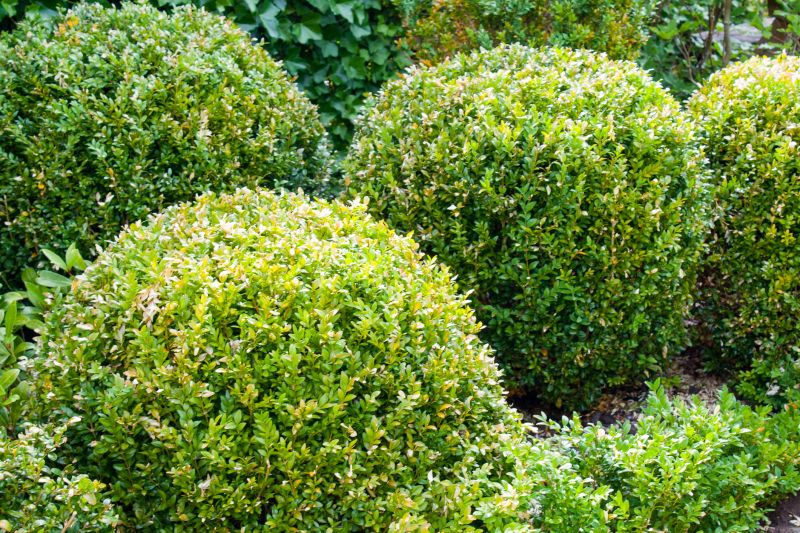
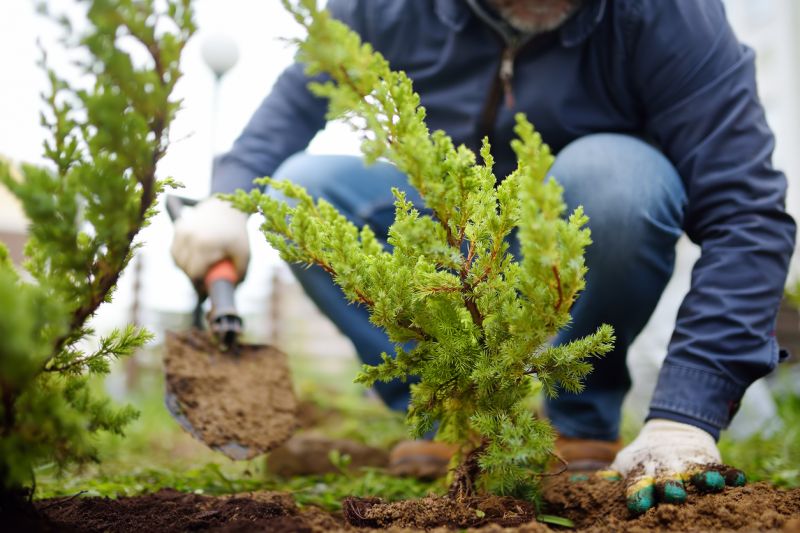
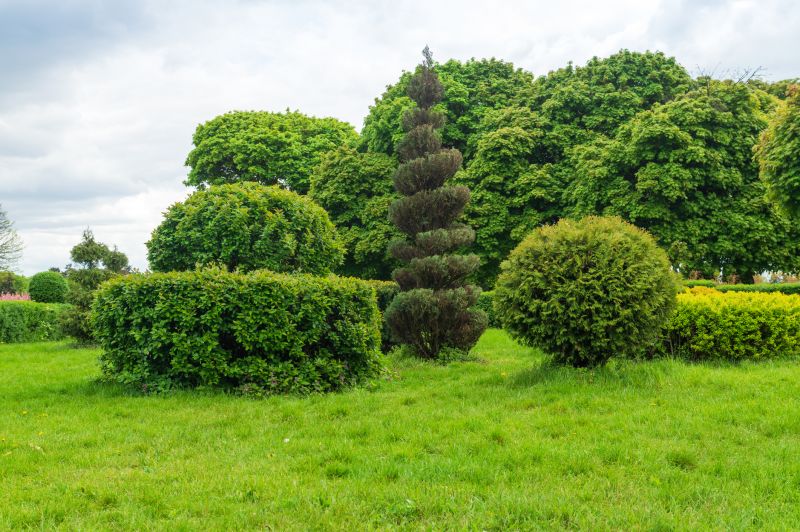
Shrub replacement services involve removing old, overgrown, or unhealthy shrubs and installing new ones that enhance the appearance and functionality of a property’s landscape. This process typically includes assessing the existing shrubs, carefully removing any that are damaged or no longer thriving, and planting new shrubs suited to the property’s climate and design preferences. The goal is to create a healthier, more attractive landscape that adds curb appeal and increases the overall value of the property.
This service helps address a variety of landscape problems, such as shrubs that have become diseased, overgrown, or out of proportion with the rest of the yard. It can also resolve issues caused by pests, poor growth, or shrub decline due to age or environmental stress. Replacing struggling or unsightly shrubs can prevent the spread of disease to other plants, improve visibility and safety around the property, and restore a balanced, well-maintained look to the yard.
Shrub replacement is often used on residential properties, including front yards, backyard gardens, and landscaping around driveways or patios. Commercial properties, such as office complexes, retail centers, and community parks, also frequently utilize this service to maintain a welcoming and professional appearance. Properties with mature landscaping or those undergoing renovation projects may particularly benefit from shrub replacement to refresh their outdoor spaces and ensure the landscape remains healthy and visually appealing.
Homeowners and property managers typically seek shrub replacement services when they notice signs of decline, such as wilting, dieback, or uneven growth in their shrubs. It’s also a common choice when redesigning or updating landscaping to better suit changing tastes or functional needs. By working with experienced local contractors, property owners can ensure that the shrub replacement process is handled efficiently and results in a landscape that is both attractive and resilient.
The overview below groups typical Shrub Replacement projects into broad ranges so you can see how smaller, mid-sized, and larger jobs often compare in your area.
In many markets, a large share of routine jobs stays in the lower and middle ranges, while only a smaller percentage of projects moves into the highest bands when the work is more complex or site conditions are harder than average.
Smaller Shrub Replacements - typical costs range from $250-$600 for many routine jobs involving one or two shrubs. Many local contractors handle these smaller projects efficiently within this range, which covers most standard replacements.
Medium-Size Projects - replacing several shrubs or larger specimens usually falls between $600-$1,500. These projects are common and often involve additional landscape adjustments or soil preparation.
Larger or Complex Replacements - extensive shrub removal and replacement, especially in landscaped areas with multiple plants, can cost $1,500-$3,000 or more. Fewer projects reach into this higher tier, which typically involves more labor and planning.
Full Landscape Overhaul - comprehensive shrub replacement as part of a major landscape redesign can exceed $5,000. These large-scale projects are less common and usually involve significant planning and execution by local service providers.
Actual totals will depend on details like access to the work area, the scope of the project, and the materials selected, so use these as general starting points rather than exact figures.
Landscape Design - Designing outdoor spaces often involves selecting and planning shrub placements, which is similar to shrub replacement projects that require careful planning and plant knowledge.
Garden Renovation - Renovation projects include replacing or updating existing plants and shrubs to improve the overall look, making this work related to shrub replacement services.
Plant Installation - Installing new plants and shrubs requires similar skills in soil preparation and plant handling as those used in shrub replacement tasks.
Hedging and Pruning - Creating and maintaining hedges involves shaping and trimming shrubs, which shares techniques used in shrub replacement to ensure healthy growth.
Soil Preparation and Mulching - Proper soil prep and mulching are essential for healthy shrub growth and are common steps in shrub replacement projects.
Tree and Shrub Removal - Removing old or damaged shrubs is often a precursor to replacement, requiring similar planning and tools used in shrub installation.
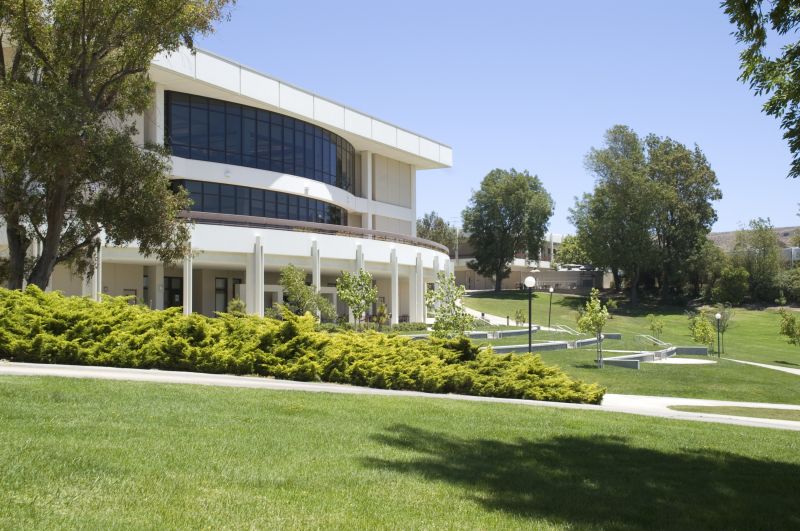
When selecting a service provider for shrub replacement, it’s important to consider their experience with similar projects. Homeowners should look for local contractors who have a proven track record of successfully handling shrub replacement jobs comparable in scope and complexity. This can often be determined by reviewing portfolios or project summaries that demonstrate familiarity with different plant types, landscape styles, and site conditions. An experienced provider is more likely to understand the nuances of shrub health, soil preparation, and proper planting techniques, leading to a more successful outcome.
Clear, written expectations are essential to ensure that both the homeowner and the service provider are aligned on the scope of work. When comparing local contractors, it’s helpful to request detailed descriptions of what the project includes, such as the number of shrubs to be replaced, specific plant varieties, and any additional landscape work involved. Having these details in writing helps prevent misunderstandings and provides a reference point throughout the project. Good communication from the start can also facilitate smoother coordination and ensure that the project progresses as planned.
Reputable references and positive feedback from previous clients are valuable indicators of a reliable service provider. Homeowners should seek out local contractors who can provide contact information for past customers or showcase examples of completed projects. This feedback can offer insights into the contractor’s professionalism, quality of work, and ability to meet deadlines. Additionally, effective communication-such as prompt responses to inquiries and clarity in discussing project details-is a key factor in choosing a trusted local pro. Remember, the site introduces homeowners to local options but does not perform the work itself, so verifying these qualities directly with the service providers is an important step in the decision-making process.
Property owners use Shrub Replacement services for practical projects around their homes and businesses. This guide focuses on everyday jobs and straightforward project options.
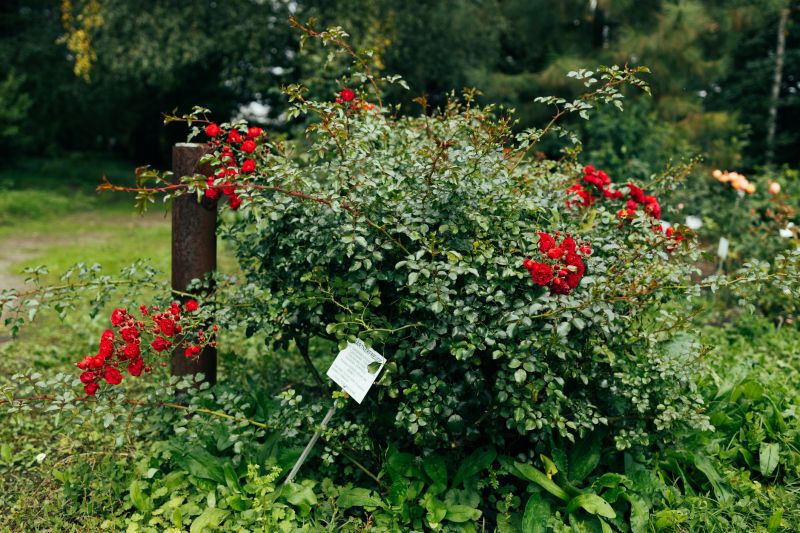
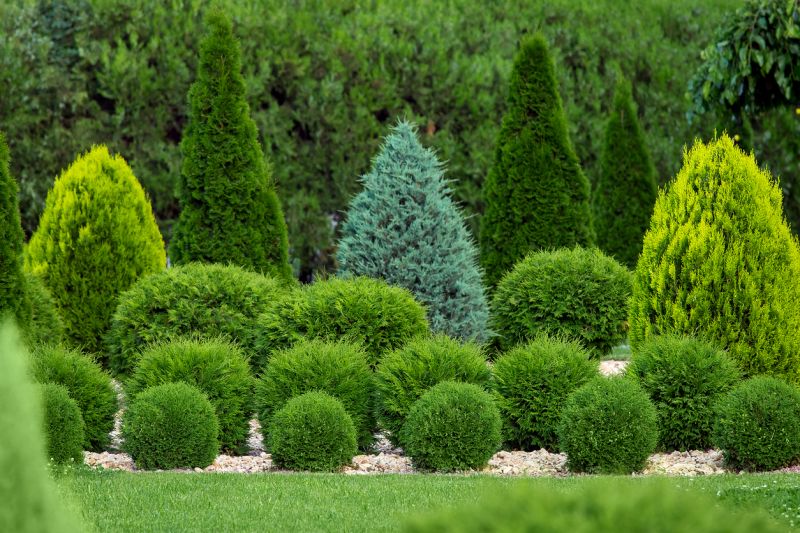
Shrub replacement is a common task for property owners who want to improve their landscape or address overgrown, unhealthy, or damaged shrubs. Whether a shrub has become too large for the space, is showing signs of disease, or simply no longer fits the aesthetic of the property, local contractors can provide the necessary removal and planting services. These professionals help maintain curb appeal and ensure the landscape remains healthy and attractive, especially after seasons of growth or harsh weather conditions.
Homeowners and property managers often seek shrub replacement when updating their outdoor appearance or preparing a yard for new landscaping projects. Over time, some shrubs may decline in health or become invasive, prompting the need for professional removal and replacement. Local service providers can assist with selecting suitable new plants, ensuring proper planting techniques, and handling the disposal of old shrubs, making the process straightforward for property owners.
What are the benefits of shrub replacement? Shrub replacement can improve the appearance of a landscape, promote healthier plant growth, and help maintain property value by replacing overgrown or damaged shrubs with healthier, more suitable plants.
How do I know when a shrub needs replacing? Signs that a shrub may need replacing include persistent disease, extensive damage, poor growth, or an unappealing appearance that cannot be improved through pruning or maintenance.
What types of shrubs are suitable for replacement? Local contractors can recommend a variety of shrubs that thrive in the specific climate and soil conditions of the area, ensuring a healthy and attractive addition to the landscape.
Can shrub replacement be done as part of a larger landscaping project? Yes, experienced service providers can incorporate shrub replacement into broader landscape redesigns or upgrades, ensuring a cohesive and well-maintained outdoor space.
What should be considered before replacing shrubs? Factors such as soil quality, sunlight exposure, water availability, and the overall landscape design should be considered to select the best replacement shrubs for the property.
Seasonal Shrub Replacement - Refresh overgrown or damaged shrubs to maintain curb appeal and ensure healthy growth throughout the year.
Design and Layout Updates - Replace existing shrubs with new varieties to update the look of a landscape or create a more inviting outdoor space.
Property Renovation Projects - Incorporate shrub replacement as part of larger landscaping upgrades during property renovations or improvements.
Damage Repair After Storms - Replace shrubs affected by storms or harsh weather to restore the garden’s appearance and health.
If you are thinking about Shrub Replacement for a property, this guide is meant to help you understand the work, the typical project types, and how different options might fit your plans.
When you are ready, you can use the quote form on this page to share a few details about your project. From there, local pros can review the basics and respond with options that match what you have in mind.